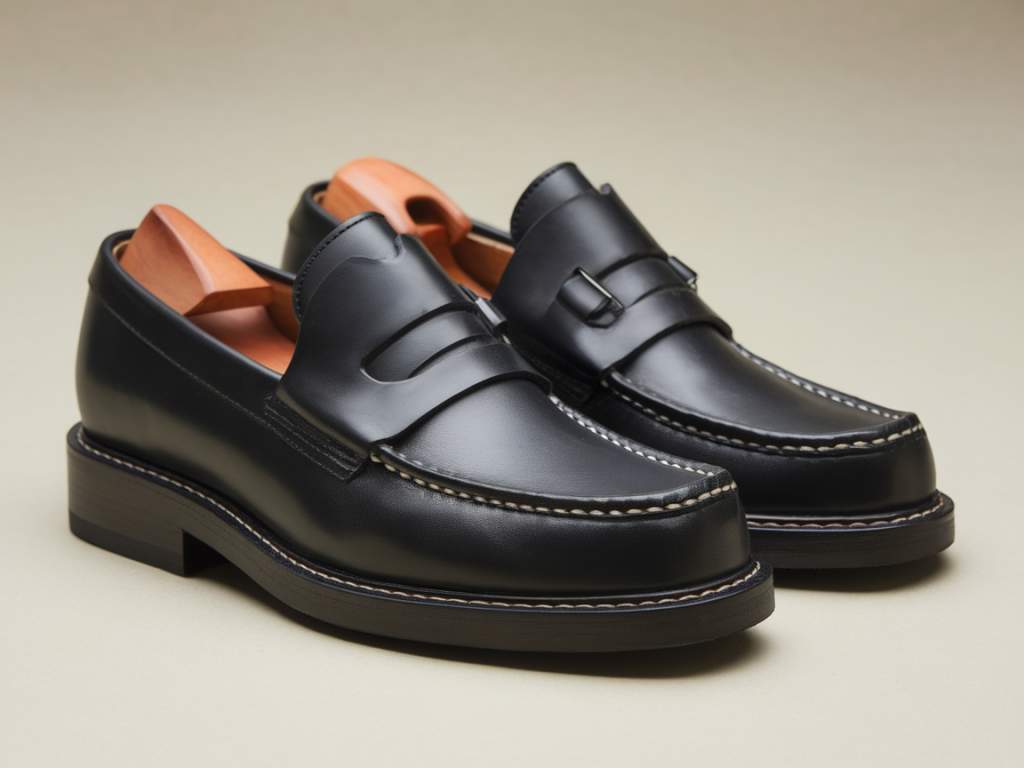
I first noticed how much shoes can change not only posture but presence when I tried a pair of carefully engineered lifts. Since then I've followed the niche of height‑increasing footwear closely, and few names sit as comfortably at the intersection of discretion, design and craft as Mario Bertulli. If you're curious about elevator shoes — what they really do, how they feel, and whether they're a sensible addition to your wardrobe — I'll walk you through the practical, technical and stylistic points I consider before recommending any pair.
What exactly are elevator shoes?
In plain terms, elevator shoes are shoes with a hidden internal platform that increases the wearer's height. But the devil (and the design) is in the details. The best examples—like those made by Mario Bertulli since the 1960s—embed an engineered height system inside a regular-looking outsole so the lift is invisible to others while remaining comfortable and stable for the wearer.
How much height do they add and how discreet is it?
Typical ranges are 2 to 4 inches (about 5–10 cm). That range covers most needs: modest boosts for posture and confidence or more marked elevation for formal occasions. The trick to discretion isn't just hiding the platform; it's balancing proportions. A well‑designed lift preserves the shoe's silhouette—heel-to-toe ratio, toe box shape and sole thickness—so the outside appears entirely conventional.
Why the focus on Italian leather and European manufacture matters
When I'm evaluating dress shoes or smart casual footwear—gadgets for your feet—I look at materials and finish as closely as I would with electronics. The leather quality affects comfort, breathability and how the upper conforms to your foot. Mario Bertulli's use of premium Italian leathers and European workmanship matters because:
Comfort, posture and the engineered height system
One common worry is that height-increasing shoes feel awkward or push your center of gravity unnaturally. In my experience, that's largely a design issue. The most successful systems provide:
When the geometry is right, elevator shoes can actually improve posture: you stand straighter, your shoulders align better, and walking becomes less of a slouch and more of an intentional gait. That physical change often translates to a psychological one—people simply act more confident when they feel taller and stable.
How to choose the right pair (fit, height, style)
Choosing an elevator shoe is similar to selecting any well-made shoe but with a couple of extra considerations:
Maintenance and durability
Caring for elevator shoes is much like caring for any leather footwear, with a few additions to protect the internal mechanics:
A well-made pair, when treated correctly, can outlast trendier, cheaper alternatives and keep the internal system functioning reliably.
Common myths and misconceptions
I've heard every worry from customers: "Do elevator shoes look fake?" "Are they unsafe?" "Will people notice?" Here's what experience tells me:
How they fit into a tech‑oriented, gadget‑minded lifestyle
On Roctoken Co I often discuss devices that alter how we experience the world—elevator shoes are a wearable example of subtle human augmentation. They don't change your biology, but they modify your physical presentation with thoughtful engineering. Like a well-designed keyboard or auditory enhancement, their success depends on ergonomics, materials science, and user-centered design. For professionals who present, network or perform in front of others, the psychological benefits—instant confidence, better posture—are measurable in how they're perceived.
Buying, returns and customer service
A critical part of investing in elevator footwear is the provider's service. Since Mario Bertulli backs purchases with world‑class customer service and easy guaranteed returns, it's easier to make a trial purchase without long-term risk. When buying online — especially from outside your country — look for:
Practical scenarios and recommendations
From interviews to conferences, here are environments where elevator shoes can add practical value:
| Lift Height | Use Case | Notes |
|---|---|---|
| 2 inches | Daily wear, first-time users | Most natural feel, easiest to adapt to |
| 3 inches | Dressier events, confident elevation | Stronger presence, still discreet with good design |
| 4 inches | Formal or performance situations | Noticeable height gain; best with premium construction |
If you're evaluating elevator shoes for the first time, treat them as you would any precision accessory: consider ergonomics, test different heights, and prioritize makers that combine material quality with a discreet, engineered system. With the right pair, the benefits go beyond centimeters—they can change how you move through the world.